CELL Tools
CELL has created an extensive library of tools and resources that aide in supporting families. These are easy to use and easy to implement tools.
The below pages require the Adobe Reader®. Download Here
You may want to uncheck the Google Tool bar option.
Contact us with any questions.
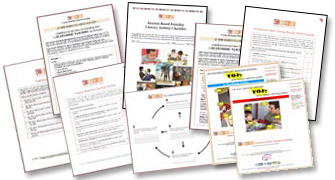
This fun and simple tool helps parents identify the interests of their child. This tool is also helpful for professionals gathering information from parents regarding their child and family interests.
For Parents and Home Based Practitioners.
This tool offers teachers a quick and easy way to identify and chart the interests of each child within their classroom. Teachers are also able to identify literacy activities already occurring and available to children every day. Included are versions for Infant/Toddler and Preschool use.
For Classroom Based Practitioners.

This tool assists practitioners with planning a literacy activity based on a child’s interest. The tool encourages practitioners to be responsive by observing how the child is engaged in the activity and journaling the examples of engagement at various levels. For Practitioners.
This tool helps teachers identify when and where literacy learning experiences and opportunities can occur for children during the school day. The teacher can plan “how” to facilitate and support the children during these opportunities. For Parents and Practitioners.
This is a simple "to-do" list to help parents remember everyday literacy activities they can do with their child anytime and anywhere.
For Parents and Practitioners.
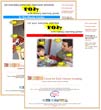
Organized into parent or classroom teacher versions. They provide parents and teachers with simple ways to enhance daily activities and routines with literacy specific opportunities. CELL Pops are interactive versions you may use online. For Parents and Practitioners.
The CELL TIP Sheet can be used as a reminder or review for teachers after they have received comprehensive training on CELL. It should guide the teacher in continually implementing CELL practices with fidelity. For Practitioners only.
The CELL TIP Sheet can be used as a reminder or review for home visitors after they have received comprehensive training on CELL. It should guide the home visitor in continually implementing CELL practices with fidelity. For Practitioners.
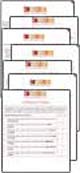
Each component (child interests, everyday literacy, responsive teaching and literacy-rich environments) of the CELL intervention model has a checklist for adult reflection. The adult uses the checklist to review and think about their understanding and implementation of each CELL component. After reflection, the adult may determine that more practice is needed to fully understand the content. Home Visitors may use the Reflection Checklists informally with a parent. For Parents and Practitioners.
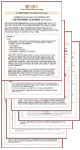
The Additional Skill-Building Exercises provide early childhood home visitors, early interventionists and classroom-based staff with follow-up support in utilizing the CELL Early Literacy Learning Model. The exercises provide the home visitor and classroom practitioner with opportunities to practice, evaluate, and reflect about an early literacy learning practice. The intent is to take these practice activities into the home, classroom and community to create an authentic, hands-on experience utilizing the components of the CELL model. .
For Classroom Based and Home Based Practitioners.
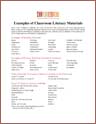
This is a list of literacy materials that may be found in the classroom, but not a required list of items. Many of the materials listed are free or low in cost. The expectation is that this list will be used to identify the literacy materials a teacher may already have available in the classroom. It is not to be used as a checklist or shopping list. For Practitioners only.

This is a list of literacy materials that may be found in the home, but not a required list of items. Many of the materials listed are free or low in cost. The expectation is that this list will be used to identify the literacy materials a family may already have available in the home. It is not to be used as a checklist or shopping list.
For Practitioners only.
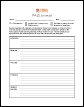
Whether you are supporting parents within a home environment or collaborating with practitioners in the classroom, it is important to be intentional. The journal is a log that can be used to record how parents or practitioners implement each phase of the Participatory Adult Learning Strategy. It can be used by trainers or coaches to prepare for the delivery of CELL practices to parents or practitioners. For Practitioners only.